Research Question
The question this study asks and why it matters.
Approach
How the fins or robots were designed, built, and tested: fabrication, experimental setup, measurements.
Overview to come: the big question behind the PhD, and how the three studies below connect sharks, penguins, and swimming robots.
Summary to come: How shark-skin-like surface structures change the thrust, drag, or efficiency of a swimming fin.
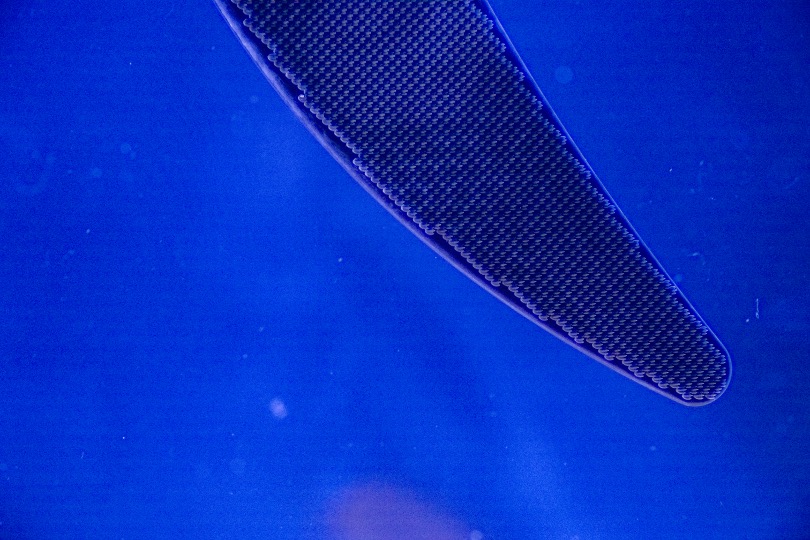
The question this study asks and why it matters.
How the fins or robots were designed, built, and tested: fabrication, experimental setup, measurements.
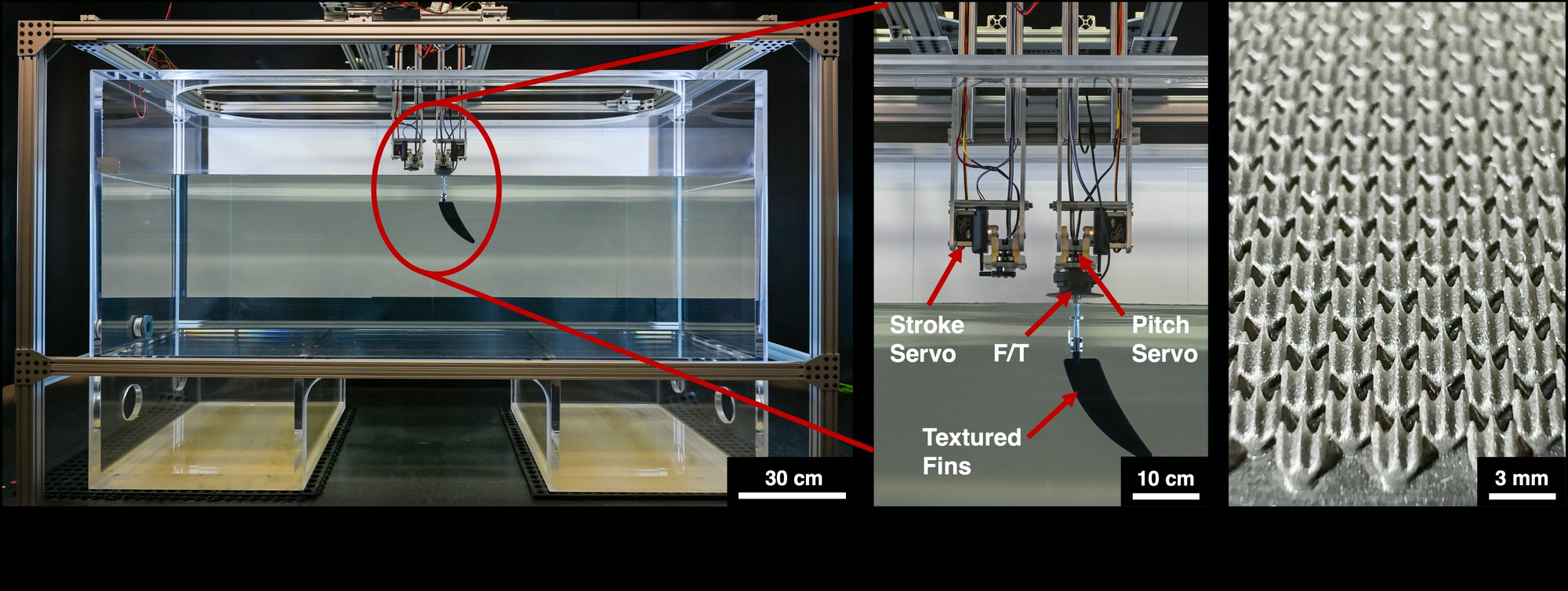
Key results and what they mean for fin design and swimming performance.
Papers, posters, and talks from this study, with links.
Summary to come: How the stiffness of a penguin-inspired pectoral fin affects its swimming performance.
The question this study asks and why it matters.
How the fins or robots were designed, built, and tested: fabrication, experimental setup, measurements.
Key results and what they mean for fin design and swimming performance.
Papers, posters, and talks from this study, with links.
Summary to come: The bioinspired swimming robots built to test these fins and surfaces in the water.
The question this study asks and why it matters.
How the fins or robots were designed, built, and tested: fabrication, experimental setup, measurements.
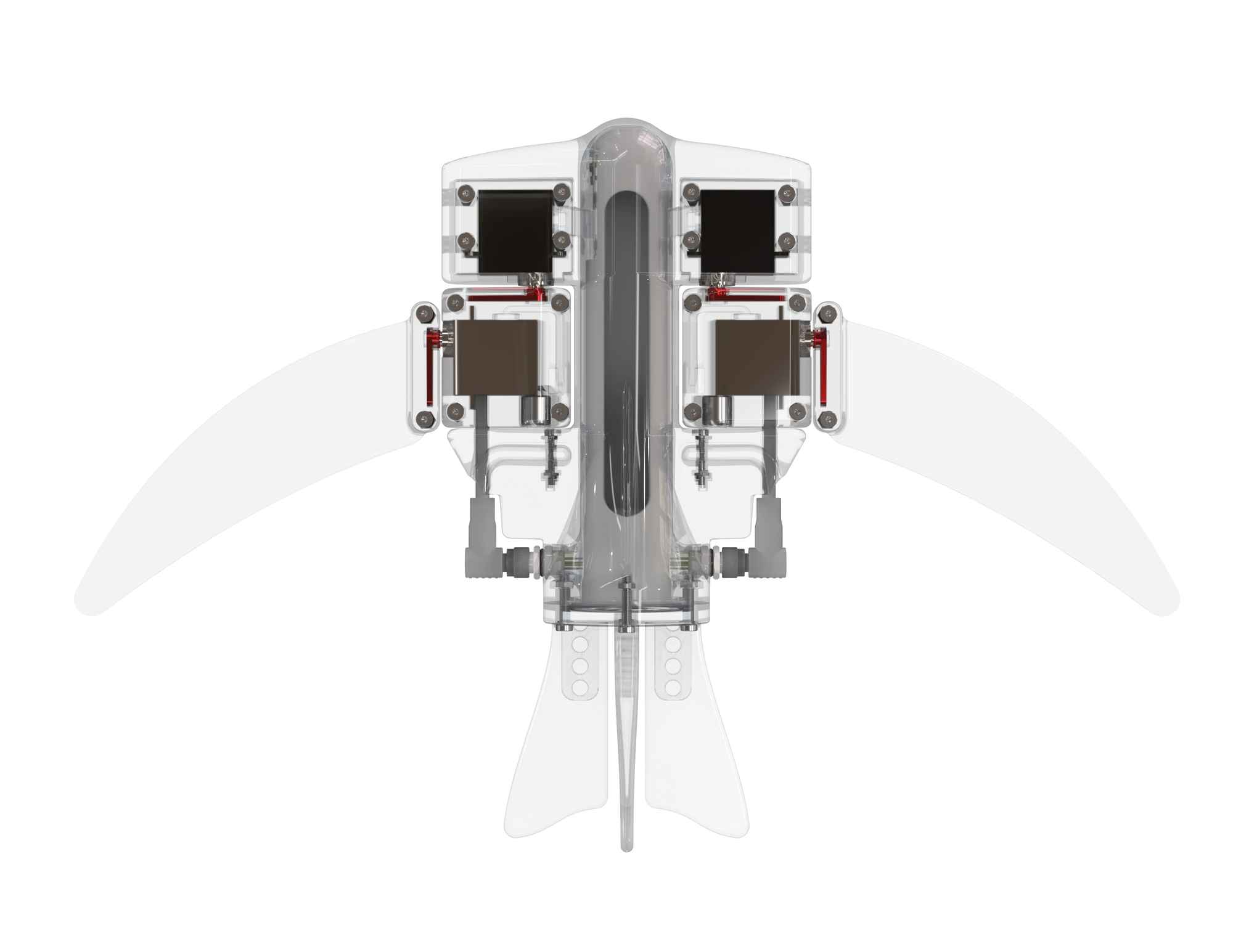
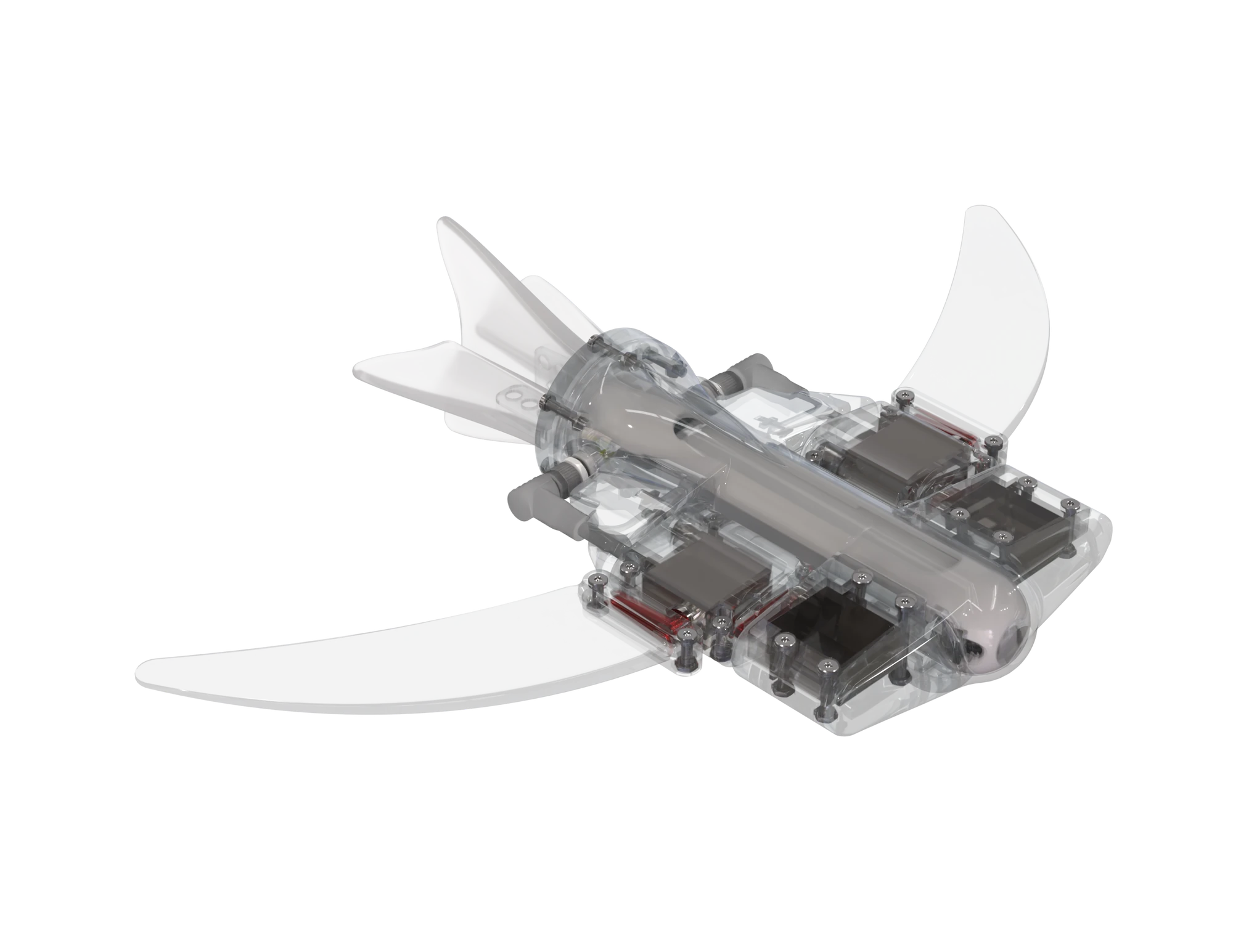
Key results and what they mean for fin design and swimming performance.
Papers, posters, and talks from this study, with links.